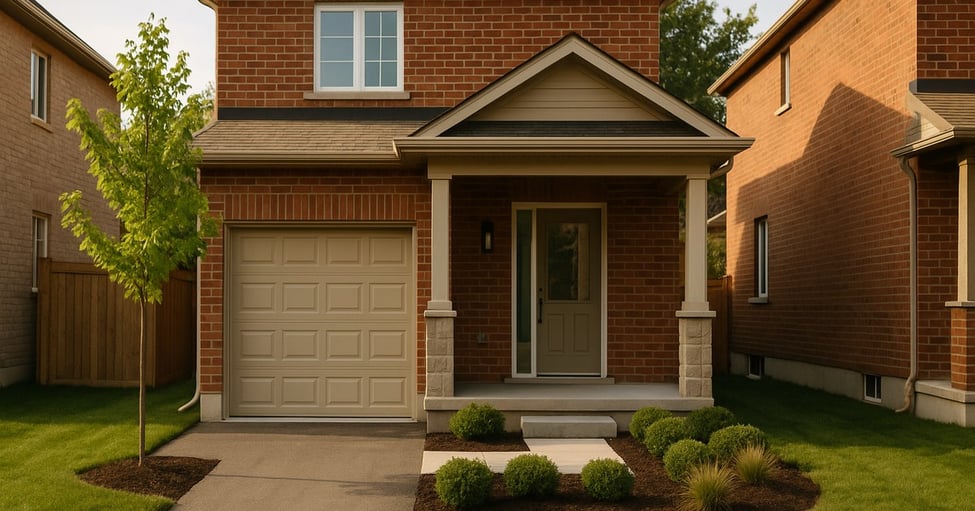
A recent CTV News real estate piece put a simple term back in focus: the turn-key home.
It is one of those phrases people use all the time, but not everyone means the same thing by it. To one buyer, turn-key means freshly renovated from top to bottom. To another, it simply means they can move in, unpack, and not spend their first six months calling contractors.
Either way, the appeal is easy to understand. A lot of buyers are already stretched by mortgage payments, land transfer tax, closing costs, moving expenses, and basic furniture. The idea of buying a home and immediately adding a kitchen renovation or bathroom overhaul on top of that is not as attractive as it once was.
That is why clean, well-maintained, move-in-ready homes are getting serious attention.
What “Turn-Key” Actually Means

A turn-key home is not necessarily brand new. It does not have to look like a custom build either.
At its simplest, it means the major work has already been handled. The home is functional, updated enough for the buyer’s expectations, and does not come with an obvious list of urgent repairs.
That usually includes things like:
- A kitchen and bathrooms that feel current - Flooring in good condition - Fresh or neutral paint - Working mechanicals, including furnace, A/C, electrical, and plumbing - No obvious moisture, roof, or foundation concerns - Clean curb appeal and a maintained exterior
The key word is confidence. Buyers want to feel like they are not walking into a surprise bill right after closing.
Why Buyers Are Paying Attention

The math has changed for a lot of households.
When borrowing costs were lower, some buyers were more comfortable taking on a fixer-upper and spreading improvements over time. That still happens, but it is harder now. Monthly payments are higher, contractors are expensive, materials are not cheap, and renovation timelines can be unpredictable.
A buyer looking at two similar homes may pay more for the one that feels finished because it reduces uncertainty. They can budget more clearly. They can move in faster. They can avoid living through dust, delays, and decision fatigue.
This is especially true for first-time buyers. Many are using most of their savings just to get into the property. Even if they like the idea of renovating, they may not have another $40,000 sitting aside for immediate upgrades.
For families, it is also practical. If you have kids, pets, work schedules, and school routines, a home that is ready on day one has real value.
Turn-Key Does Not Mean Perfect

This is where buyers need to be careful.
A home can look turn-key and still have issues behind the walls. Fresh paint and new flooring can make a great first impression, but they do not replace proper due diligence.
Before getting caught up in the finish, buyers should still ask good questions:
- Were renovations done with permits where required? - How old are the furnace, roof, windows, and A/C? - Are there receipts or warranties for major work? - Was the basement finished properly? - Are there signs of moisture, poor drainage, or electrical shortcuts?
A polished home is not automatically a problem-free home. It just means the visible work has been done. A home inspection, document review, and a careful look at the listing details still matter.
The best turn-key homes are not just pretty. They are well maintained.
What This Means If You Are Selling
If you are thinking about listing, this does not mean you need to gut your house before going to market.
In many cases, the highest-return work is smaller and more practical. Buyers notice clean, bright, cared-for spaces. They also notice neglected details.
Before spending big money, start with the basics:
- Patch and paint walls where needed - Replace broken light fixtures or dated hardware - Deep clean kitchens, bathrooms, windows, and baseboards - Service the furnace and A/C - Fix loose railings, leaking taps, sticky doors, and cracked caulking - Improve the front entry, lawn, and exterior touch points
If the home has an older kitchen or bathroom, the decision gets more specific. Sometimes a full renovation makes sense. Sometimes it does not. It depends on the neighbourhood, price point, competition, and how buyers are reacting to similar homes nearby.
This is where looking at recent sold listings matters. Not just active listings, sold listings. They show what buyers actually paid for finished homes versus homes needing work.
The Mortgage Side Matters Too
For buyers, the question is not only, “Do I like this home?” It is also, “What does this home cost me after closing?”
A cheaper home that needs $75,000 in work may not be cheaper if you have to finance renovations separately, drain your savings, or live with unfinished projects for years.
A more expensive turn-key home may carry a higher purchase price, but the monthly budget can be easier to understand because the immediate repair risk is lower.
Neither option is automatically better. The right answer depends on your cash flow, down payment, mortgage approval, renovation comfort, and timeline.
For sellers, the same logic works in reverse. If buyers are comparing your home against renovated competition, they may mentally deduct the cost of updates before making an offer. Sometimes that deduction is larger than the actual cost would have been.
The Takeaway
Turn-key homes are popular because they solve a real problem: buyers want less uncertainty after closing.
If you are buying, do not confuse nice finishes with a problem-free house. If you are selling, do not assume you need a full renovation to compete. The goal is to understand what buyers in your price range are valuing, then make smart decisions before money is on the line.